

Does your dog get an upset stomach after meals, itchy skin that never quite settles, or recurring ear problems? A food intolerance could be part of the picture. Unlike a true food allergy, which involves the immune system, a food intolerance means your dog’s body struggles to handle a particular ingredient — the results are uncomfortable either way, and the good news is that the right diet often makes a dramatic difference.
This guide explains the signs, how vets identify problem ingredients, and which types of food usually work best. Because intolerances overlap with allergies and other medical conditions, always involve your vet in the process — especially if your dog is losing weight, has blood in their stool, vomits often, or seems unwell.
Signs Your Dog May Have a Food Intolerance
- Recurring loose stools, wind or a gurgling stomach after eating
- Intermittent vomiting or reduced appetite
- Itchy skin, paw licking or chewing
- Recurring ear infections or head shaking
- Dull coat, dandruff or inflamed skin
- Symptoms that improve on a bland diet and return on the usual food
These signs can also point to parasites, infections, pancreatitis or other conditions, which is why veterinary checks come first.
The Most Common Trigger Ingredients
When vets run elimination trials, the same ingredients come up again and again. Knowing the usual suspects helps you (and your vet) pick a sensible trial food.
- Beef — one of the proteins most commonly reported in food reactions in dogs, partly because it has been so widely fed for so long.
- Chicken — another very common trigger for the same reason: it is in almost everything, including many treats and chews.
- Dairy — many dogs struggle with lactose, and some react to milk proteins; either way, milk, cheese and yoghurt cause loose stools and wind in a fair number of dogs.
- Eggs — a frequent ingredient in kibble that occasionally causes problems on its own.
- Soy, corn and wheat — less common than protein triggers, but possible; wheat is the grain most often implicated when grains are involved.
- Lamb — once used as the “hypoallergenic” protein, lamb now appears in so many foods that some dogs have become sensitive to it too.
Notice the pattern: the triggers are usually the ingredients a dog has eaten most often, not exotic ones. That is exactly why novel-protein diets work — they choose something the dog’s system has genuinely never met. Also be aware that an intolerance can involve an additive or a storage issue rather than a headline ingredient, which is another reason a proper trial beats guesswork.
How Vets Find the Trigger: The Elimination Diet
The most reliable method is an elimination diet (food trial), usually run for 8–12 weeks:
- Feed one carefully chosen diet only — either a novel-protein food (a protein and carbohydrate your dog has never eaten, such as venison and potato) or a veterinary hydrolysed food, where proteins are broken down so small that the body rarely reacts to them.
- Nothing else passes the lips — no table scraps, flavoured chews, dental sticks or scavenged snacks. Even small extras can ruin the trial.
- Monitor symptoms weekly and note changes in stool, skin and comfort.
- Re-challenge if the vet advises — reintroducing old ingredients one at a time confirms which one causes the problem.
Blood, saliva and hair “intolerance tests” sold online are not considered reliable by veterinary specialists. Save your money for a proper food trial.
What the Trial Looks Like Week by Week
- Weeks 1–2: Transition onto the trial food over the first 7–10 days (unless your vet wants an immediate switch). Stools may fluctuate during the changeover — that is the transition, not a verdict.
- Weeks 3–4: Many dogs with digestive intolerance show noticeably firmer stools and less wind by now. Skin signs usually lag behind.
- Weeks 5–8: Keep going and keep the diary. Skin and ear cases often need this long before improvement is clear.
- Weeks 8–12: Review with your vet. If symptoms have resolved or greatly improved, you either stay on the food long term or begin careful re-challenges — adding one old ingredient for 1–2 weeks at a time to see whether symptoms return.
A simple weekly diary makes the trial far more useful: score the itching out of 10, describe the stools, note ear shaking or paw licking, and take a dated photo of any sore skin in the same light. Vague memories are hard to judge after two months; notes are not.
The hardest part is household discipline. Everyone — children, visitors, dog walkers — must know that the dog eats only the trial food. Treats can be a few pieces of the trial kibble, or matching treats your vet approves. Put a note on the treat cupboard if you need to.
Types of Food That Can Help
Limited-Ingredient Diets (LID)
These foods use one animal protein and one or two carbohydrate sources, with short, transparent labels. They make it far easier to avoid a known trigger and to spot what is in every bite. Examples of reputable limited-ingredient lines include Natural Balance Limited Ingredient, Canidae Pure, and James Wellbeloved single-protein recipes.
Novel-Protein Foods
If your dog has eaten chicken, beef and lamb all their life, a food built on a protein they have never had — venison, duck, rabbit, kangaroo or white fish — gives the digestive system a genuinely fresh start.
Veterinary Hydrolysed Diets
For dogs with multiple or unclear triggers, vets often recommend hydrolysed prescription foods such as Royal Canin Hypoallergenic, Hill’s Prescription Diet z/d, or Purina Pro Plan Veterinary Diets HA. These are the gold standard for elimination trials because the protein is pre-broken-down. They are usually bought through or on the advice of a vet.
Gentle Home Cooking (Short Term)
A simple bland diet — for example, boiled white fish or turkey with well-cooked potato or pumpkin — can settle a flare-up for a few days. Home cooking is not balanced for the long term, though; if you want to cook permanently, ask your vet for a formulated recipe and a supplement plan.
Pros and Cons of Special Diets for Intolerances
Pros
- Targeted diets often improve stools and skin within weeks
- Limited-ingredient labels make trigger avoidance much easier
- Hydrolysed veterinary diets give the most reliable elimination results
Cons
- Prescription and novel-protein foods cost more than standard foods
- Strict trials are demanding — the whole household must follow the rules
- Palatability varies; some dogs are fussy about hydrolysed or unusual recipes
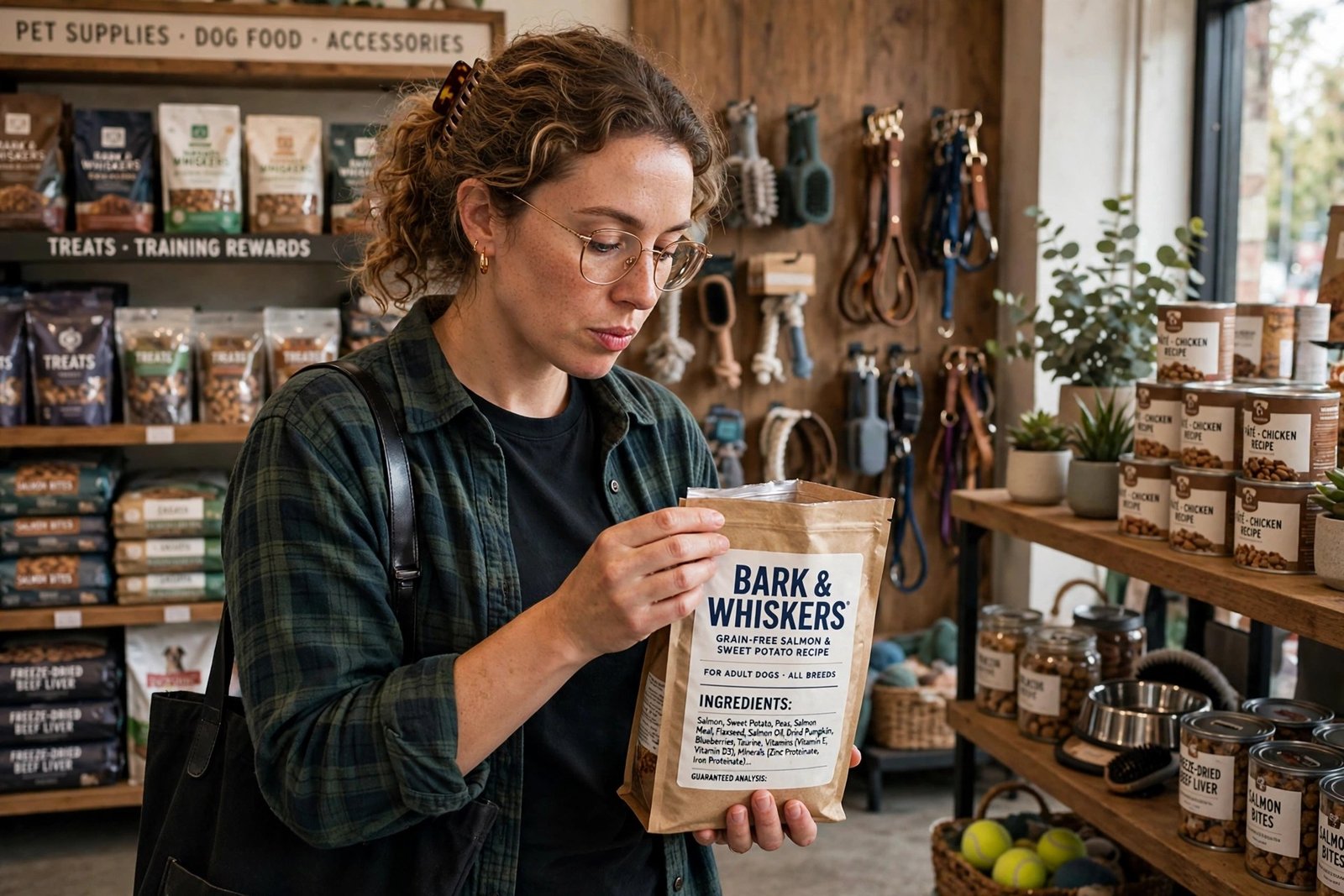
Reading Labels When You Are Avoiding Triggers
Avoiding a trigger ingredient is harder than it sounds, because problem ingredients hide in unexpected places.
- Check the whole label, not just the front. A bag sold as “lamb and rice” may still contain chicken fat, chicken meal or egg further down the ingredient list. For a sensitive dog, those hidden extras matter.
- Learn the disguises. Chicken can appear as chicken meal, chicken by-product meal, chicken fat, poultry fat, “natural flavour” or egg products. Beef can appear as beef meal or meat meal. If the label is vague, choose a brand that is specific.
- Treats and chews count. Dental sticks, rawhide-style chews, flavoured worming tablets and training treats are frequent trial-ruiners. During diagnosis, stick to matching treats or plain kibble from the trial diet.
- Watch cross-contact claims. Limited-ingredient foods made by reputable companies are generally careful about production, but for a strict veterinary trial, a prescription hydrolysed food removes the guesswork entirely — one reason vets prefer them for diagnosis.
- Medications too. Some flavoured medications and supplements contain protein flavourings. Mention the trial to your vet so they can choose neutral options where possible.
Living With an Intolerance: The Long Term
Once your dog is settled on a food that works, the goal shifts from detective work to simple consistency. Buy the same food, keep a spare bag so you never have to grab an unfamiliar brand in an emergency, and store it sealed and dry — stale fats and storage mites in old, open bags can themselves cause trouble for sensitive dogs, so finish bags within roughly six weeks of opening.
Special diets cost more, but there are sensible ways to manage the bill: buy the largest bag size your dog will finish while fresh, subscribe-and-save schemes from reputable retailers, and avoid wasting money on extra supplements or “detox” products your vet has not recommended. Do not, however, rotate in cheaper foods “for variety” — for an intolerant dog, boring is good.
If you have an emergency — you run out of food while travelling, for example — a day or two of a plain bland meal (boiled white fish or the dog’s known-safe protein with potato or pumpkin) is a safer stopgap than a random new kibble. Then return to the usual food as soon as you can.
Feeding Tips That Make a Real Difference
- Transition gradually over 7–10 days unless your vet directs otherwise.
- Feed measured meals at regular times and keep a simple food diary during a trial.
- Choose treats that match the diet — many LID ranges include matching treats, or use a few pieces of the kibble itself.
- Keep water fresh and feed from clean bowls washed daily.
- Change one thing at a time, so you always know what helped.
- Review with your vet after 8–12 weeks, even if things improve, to agree on the long-term plan.
One more practical point: keep mealtimes calm and predictable. Dogs with digestive intolerances often do best with two or three smaller meals at the same times each day rather than one large meal, because smaller meals are easier to digest and make it simpler to connect any symptom with what was eaten. Feed in a quiet spot away from competition from other pets — a dog that bolts food in a rush swallows air and stresses its stomach, which can muddy the picture when you are trying to judge a diet fairly.
Frequently Asked Questions
What is the difference between a food intolerance and a food allergy?
An allergy is an immune reaction to a protein and can cause intense itching and skin disease. An intolerance is a digestive difficulty with an ingredient and more often causes stomach signs, though the two can look similar and are managed in much the same way — by avoiding the trigger.
How long does an elimination diet take to work?
Stomach signs may improve within 2–4 weeks, while skin signs often need 8–12 weeks. That is why vets ask for patience and strict consistency during a trial.
Can my dog suddenly become intolerant to a food they have eaten for years?
Yes. Sensitivities can develop over time, which is why a dog may become unsettled on a food that once suited them perfectly.
Are grain-free foods the answer for intolerances?
Not usually. The most common triggers are proteins such as beef, chicken and dairy. Grains are less frequent culprits, so do not assume grain-free is needed — identify the actual trigger instead.
Should I rotate foods for a dog with an intolerance?
During diagnosis, no — stability is essential. Once you know the trigger ingredients, you can safely rotate between a small set of foods that avoid them, if your vet agrees.
Can puppies have food intolerances?
Yes, puppies can react to ingredients, although tummy upsets in puppies are more often caused by parasites, infections, sudden food changes or scavenging. Because puppies need precisely balanced nutrition for growth, always work through a vet rather than experimenting with restrictive diets on your own, and use foods formulated for growth during any trial.
Will my dog grow out of an intolerance?
Sometimes the gut settles and a dog tolerates a previously problematic ingredient again months or years later, but do not count on it. If you want to test, do it deliberately — one ingredient, in a small amount, while your dog is otherwise well — and stop if symptoms return. Many owners decide a settled, happy dog is worth more than the experiment.
Are raw diets good for intolerant dogs?
Raw feeding does not solve intolerances by itself — a dog intolerant to chicken is still intolerant to raw chicken — and raw diets carry bacterial risks for dogs and households, plus a high chance of being nutritionally unbalanced. If the idea appeals to you, discuss it with your vet and use a properly formulated commercial product rather than improvising at home.
Conclusion
For dogs with food intolerances, success comes from a methodical approach: rule out other causes with your vet, run a strict elimination trial, then settle on a limited-ingredient, novel-protein or hydrolysed food that avoids the confirmed triggers. It takes a few weeks of discipline, but most owners are rewarded with firmer stools, calmer skin and a much happier dog.